
AI Sales Forecasting for Small Business: Predict Revenue with 95% Accuracy
- 5 min read min read
- 0 comments
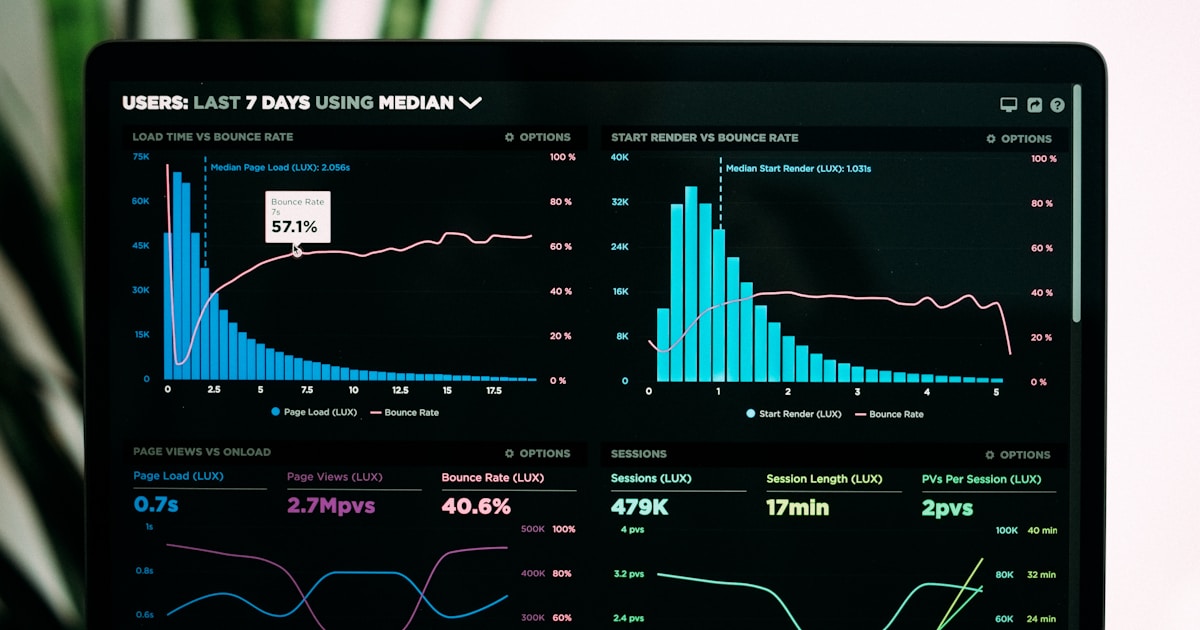
Your gut feeling about next quarter's revenue? It's wrong. Not because you're bad at business — because humans are terrible at processing the hundreds of variables that determine whether a deal closes or dies. In 2026, AI sales forecasting is giving small businesses the same predictive power that Fortune 500 companies have relied on for years — at a fraction of the cost.
Why Traditional Sales Forecasting Fails Small Businesses
Most small businesses forecast revenue using some combination of spreadsheets, CRM pipeline stages, and wishful thinking. The typical accuracy? Around 60-70%. That means nearly a third of your revenue predictions are flat wrong — leading to bad hiring decisions, misallocated marketing budgets, and cash flow surprises that keep founders up at night.
The problem isn't effort. It's that traditional forecasting treats every deal the same. A $50K opportunity at 60% probability gets the same weight whether the buyer opened your last three emails or ghosted you two weeks ago. Human brains can't track hundreds of engagement signals across dozens of deals simultaneously. AI can.
How AI Sales Forecasting Actually Works
AI forecasting models analyze thousands of data points per deal — buyer engagement patterns, historical close rates by deal size and industry, seasonal trends, competitor activity, even macroeconomic indicators. Machine learning algorithms identify which combinations of signals predict closed deals versus stalled pipelines.
The result: 90-95% forecast accuracy compared to traditional methods. That's not a marginal improvement — it's the difference between confidently investing in growth and gambling on gut instinct.
Here's what modern AI forecasting evaluates that you can't track manually:
- Email and meeting engagement velocity — Are response times getting faster or slower?
- Stakeholder expansion — Are more decision-makers joining the conversation?
- Competitive signals — Are prospects also engaging with competitor content?
- Seasonal and market patterns — How does this quarter compare historically?
- Rep performance trends — Which salespeople consistently over- or under-forecast?
AI Forecasting Tools Small Businesses Can Actually Afford
The biggest misconception about AI sales forecasting is that it requires enterprise budgets. In 2026, cloud-based platforms have made this technology accessible to businesses spending under $20/month. Here are the categories worth evaluating:
CRM-integrated forecasting: Tools like HubSpot, Pipedrive, and Freshsales now include built-in AI forecasting that analyzes your existing pipeline data. If you're already paying for a CRM, you likely have forecasting capabilities you're not using.
Standalone AI forecasting platforms: Purpose-built tools that connect to your CRM, email, and calendar to generate probabilistic forecasts. These typically offer deeper analysis than built-in CRM features.
Custom AI workflows: For businesses with unique sales cycles, custom automation pipelines using tools like n8n or Make can pull data from multiple sources and feed it into ML models tailored to your specific business patterns.
What to Do With Better Forecasts
Accurate forecasting isn't just about predicting revenue — it unlocks operational decisions that compound over time:
Smarter hiring: Know exactly when you'll need additional capacity instead of hiring reactively when you're already drowning.
Cash flow confidence: Plan expenditures against reliable revenue projections. Stop sitting on cash "just in case" and invest it in growth.
Pipeline prioritization: AI doesn't just forecast totals — it identifies which specific deals are most likely to close and which need intervention. Your sales team focuses energy where it matters.
Churn prevention: The same models that predict new revenue can flag existing customers likely to leave, giving you time to intervene before the revenue disappears.
Getting Started Without Overcomplicating It
The fastest path to AI-powered forecasting follows one rule: start with what you have. You don't need perfect data or a complete tech stack. Here's a practical three-step approach:
- Audit your current data. What's already in your CRM? Email history, deal stages, close dates, and amounts are enough to start. Clean up obvious garbage (deals sitting at "proposal sent" for six months aren't real opportunities).
- Enable built-in AI features. Most modern CRMs have AI forecasting that's turned off by default. Enable it, let it train on your historical data for 2-4 weeks, and compare its predictions against your manual forecasts.
- Iterate and expand. Once you see the value, connect additional data sources — email engagement, website analytics, support tickets — to improve accuracy further.
The businesses that win in 2026 aren't the ones with the biggest budgets — they're the ones making decisions based on data instead of intuition. AI sales forecasting is the lowest-friction way to start.
Ready to automate your business operations beyond forecasting? Explore our automation services or get in touch to discuss what AI can do for your specific workflow.
0 Comments
No comments yet. Be the first to leave a comment!