
How to Build Internal Tools With AI and Ditch Expensive SaaS
- 5 min read min read
- 0 comments
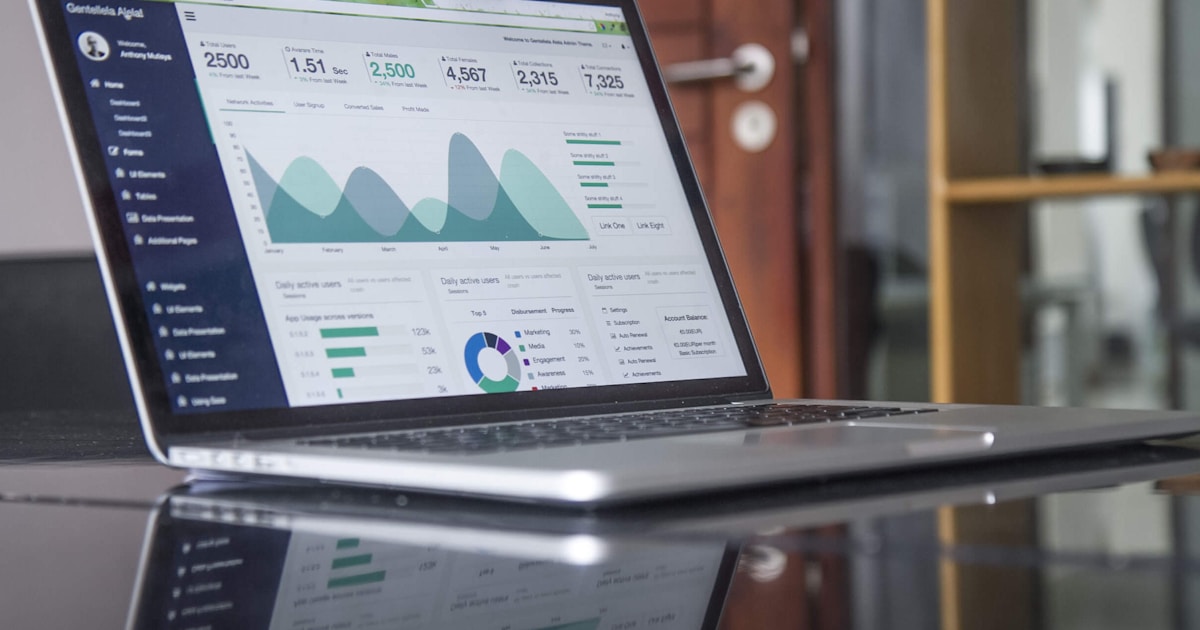
Your business runs on internal tools. Inventory trackers, client dashboards, approval workflows, reporting systems — the unsexy software that keeps operations moving. And most businesses are paying $500 to $5,000 per month for off-the-shelf SaaS tools that do 30% of what they actually need.
Here's the shift happening in 2026: AI makes it possible to build custom internal tools in days, not months. Not prototypes. Not demos. Production-ready tools your team uses every day — at a fraction of the cost of another SaaS subscription.
Why Off-the-Shelf Tools Are Costing You More Than You Think
The hidden cost of SaaS isn't the subscription — it's the workarounds. Every time your team exports data to a spreadsheet because the tool doesn't support a specific report, that's wasted time. Every manual step between two platforms that don't integrate? That's operational drag.
Most businesses stack 5 to 15 SaaS tools to cover internal operations. Each one solves a narrow problem, none of them talk to each other properly, and your team spends hours bridging the gaps manually. The real cost isn't $200/month per tool — it's the 20+ hours per week your team wastes on duct-tape workflows.
What AI-Built Internal Tools Look Like
AI coding assistants like GitHub Copilot, Claude, and Cursor have fundamentally changed how fast software gets built. A competent developer (or even a technical founder) can now build functional internal tools in 1–3 days that would have taken weeks before. Here's what that looks like in practice:
- Custom CRM dashboards — Pull data from your actual sources, display exactly the metrics your sales team needs, no feature bloat
- Approval workflow apps — Replace email chains and Slack threads with structured approval flows that log everything
- Client onboarding portals — Guided forms, document collection, and automated follow-ups tailored to your exact process
- Inventory and order trackers — Real-time views that connect directly to your suppliers and warehouse systems
- Internal knowledge bases — AI-powered search across your docs, SOPs, and past decisions
These aren't hypothetical. Businesses are building and deploying tools like these every week, often with a single developer and an AI assistant.
The Build-vs-Buy Math Has Changed
The old argument against building custom tools was always time and cost. A custom app might take 3–6 months and $50,000+. SaaS costs $200/month. Easy math.
That math is dead. With AI-assisted development:
- Build time drops 60–80%. AI generates boilerplate, handles integrations, writes tests, and debugs issues in real time
- Maintenance gets simpler. AI tools help you update, refactor, and extend existing code without starting from scratch
- No per-seat pricing. Your custom tool costs you hosting ($5–50/month) and nothing per user
- Perfect fit. It does exactly what you need — no unused features, no missing ones
For a tool your team uses daily, the breakeven point is often 2–3 months. After that, you're saving money every single month while getting a better product.
How to Decide What to Build
Not everything should be custom-built. Here's the framework:
Build it if:
- Your workflow is unique to your business
- You're paying for a tool but only using 20–30% of its features
- You're duct-taping multiple tools together with manual steps
- The existing tool doesn't integrate with your other systems
- You need data ownership and control
Buy it if:
- It's a commodity function (email, calendar, file storage)
- Compliance and certifications matter (payroll, accounting)
- The tool gets frequent updates from domain experts
- Your needs match 80%+ of what the tool offers
The sweet spot for AI-built internal tools is the middle ground: workflows specific enough that no SaaS nails them, but simple enough that a small team can build and maintain them.
The Tech Stack That Makes This Work
You don't need a complex setup. The most effective internal tool stacks in 2026 are deliberately simple:
- Frontend: Next.js or React with a component library like Shadcn/UI — AI generates these interfaces fast
- Backend: Node.js or Python with a simple REST API — or skip the backend entirely with Supabase or Firebase
- Database: PostgreSQL or SQLite — proven, reliable, AI understands them perfectly
- Hosting: Railway, Vercel, or a $5 VPS — pennies compared to SaaS subscriptions
- AI layer: Add an LLM API call for smart search, data extraction, or natural language queries over your data
The entire stack costs $10–50/month to run. Compare that to the SaaS tool it replaces.
Real Numbers: A Case Study
A logistics company was paying $1,200/month for a fleet management dashboard that didn't integrate with their dispatch system. Their team spent 6 hours per week manually entering data between the two platforms.
They hired a developer for two weeks to build a custom dashboard using Next.js and Supabase, with AI handling 70% of the code generation. Total cost: roughly $4,000 for development, $25/month for hosting. The tool integrated directly with their dispatch API, eliminated the manual data entry, and paid for itself in under four months.
That's not an outlier. That's the new normal.
Getting Started Without a Full Dev Team
You don't need to hire five engineers. Here's the practical path:
- Identify your most painful workflow — the one with the most manual steps or the worst tool fit
- Document what it should do — write it out in plain language, every step and decision point
- Start small — build an MVP that handles the core flow, skip edge cases for v1
- Use AI to accelerate — feed your requirements to an AI coding assistant and iterate rapidly
- Deploy and iterate — get it in front of users fast, then improve based on real feedback
A single developer with AI tools can ship a usable internal tool in a week. A technical founder can do it in a weekend. The barrier isn't skill — it's knowing that this option exists.
Stop Renting. Start Owning.
Every SaaS subscription is rent. You're paying monthly for someone else's vision of how your business should work. AI-built internal tools flip that equation — you own the tool, the data, and the roadmap.
The businesses that figure this out early will operate faster, spend less, and have systems that actually fit how they work. The ones that don't will keep paying more for less.
Need help building custom internal tools for your business? Get in touch with Nobrainer Lab — we build AI-powered solutions that replace expensive SaaS and actually fit your workflow. Check out our services to see how we can help.
0 Comments
No comments yet. Be the first to leave a comment!